
Unlocking Success: The Food Manager Certification Benefits You Need to Know

In the food service industry, safety and quality are paramount. Whether you manage a restaurant, a catering business, or a food production facility, ensuring that food is handled properly is critical. One way to demonstrate your commitment to food safety and enhance your professional credentials is by obtaining a food protection manager certification. This certification not only boosts your knowledge but also opens doors to career advancement and operational excellence.
Understanding Food Manager Certification Benefits
Food manager certification offers numerous advantages that go beyond just meeting regulatory requirements. Here are some key benefits that make this certification a valuable investment:
Improved Food Safety Knowledge: The certification process educates managers on critical food safety principles such as proper cooking temperatures, cross-contamination prevention, and allergen management. This knowledge helps reduce the risk of foodborne illnesses.
Compliance with Regulations: Many states and local health departments require certified food managers in food establishments. Having certified staff ensures your business complies with these laws, avoiding fines and closures.
Enhanced Customer Confidence: Customers feel safer dining at establishments where food safety is a priority. Certification signals professionalism and dedication to quality, which can increase customer loyalty.
Career Advancement Opportunities: Certified managers often have better job prospects and higher earning potential. Employers prefer candidates who have demonstrated expertise through certification.
Operational Efficiency: Certified managers can implement best practices that streamline food handling processes, reduce waste, and improve overall kitchen operations.
By investing in food manager certification, you are not only protecting your customers but also strengthening your business foundation.

Is food protection manager certification the same as ServSafe?
Many people wonder if food protection manager certification and ServSafe certification are the same. While they are closely related, there are some distinctions to understand.
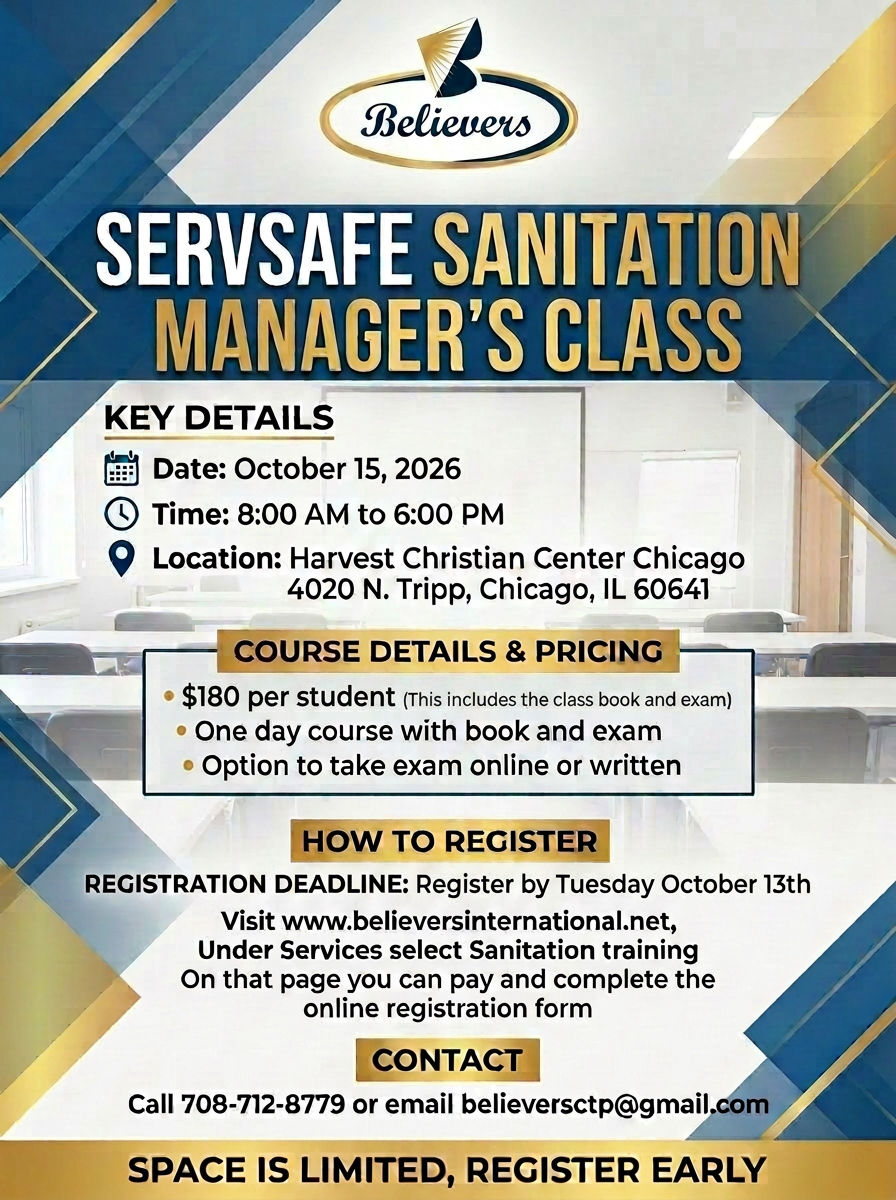
ServSafe is a widely recognized program developed by the National Restaurant Association. It offers a comprehensive food safety training and certification course that meets or exceeds the requirements of most state and local health departments. When people refer to food protection manager certification, they often mean the ServSafe Food Protection Manager Certification, but other programs exist as well.
Here are some points to consider:
ServSafe is a specific certification program that provides training and testing for food managers.
Food protection manager certification is a general term that refers to any certification that qualifies a manager to oversee food safety in a commercial setting.
Some states accept multiple certification programs, but ServSafe is the most widely accepted and recognized.
The content covered in ServSafe includes foodborne pathogens, contamination prevention, cleaning and sanitizing, and regulatory compliance.
If you are pursuing certification, it is important to check your local health department’s requirements to ensure you select an approved program. ServSafe is often the safest choice due to its broad acceptance and comprehensive curriculum.

How Certification Enhances Food Safety Practices
Obtaining a food protection manager certification equips you with practical skills that directly impact food safety in your establishment. Here’s how certification improves daily operations:
Risk Identification and Mitigation
Certified managers learn to identify potential hazards such as improper storage temperatures, cross-contamination risks, and poor hygiene practices. They can then implement corrective actions to mitigate these risks.
Effective Staff Training
Managers with certification are better prepared to train their teams on food safety protocols. This ensures that all employees understand their roles in maintaining a safe environment.
Consistent Compliance Monitoring
Certification teaches managers how to conduct regular inspections and audits to ensure ongoing compliance with food safety standards.
Crisis Management
In the event of a foodborne illness outbreak or contamination incident, certified managers know how to respond quickly and effectively to minimize harm and liability.
Documentation and Record Keeping
Proper documentation is essential for regulatory compliance and traceability. Certified managers understand the importance of maintaining accurate records of food temperatures, cleaning schedules, and employee training.
By applying these skills, certified managers help create a culture of safety that protects customers and enhances the reputation of the business.
Steps to Obtain Food Manager Certification
If you are ready to pursue food manager certification, here is a straightforward guide to help you get started:
Research State and Local Requirements
Check with your local health department to determine which certification programs are accepted in your area.
Choose a Certification Program
Select a reputable program such as ServSafe that offers comprehensive training and testing.
Complete the Training Course
Training can be completed online or in-person and typically covers food safety principles, regulations, and best practices.
Pass the Certification Exam
The exam usually consists of multiple-choice questions that test your knowledge of food safety topics.
Maintain Your Certification
Certifications often require renewal every few years through continuing education or retesting.
By following these steps, you can earn your certification and start applying your knowledge immediately.
The Impact of Certification on Career Growth
Food manager certification is not just about compliance; it is a powerful tool for career development. Here’s how certification can influence your professional trajectory:
Increased Job Opportunities
Many employers require or prefer candidates with certification, giving you a competitive edge in the job market.
Higher Salary Potential
Certified managers often command higher wages due to their specialized knowledge and skills.
Leadership Roles
Certification demonstrates your commitment to food safety and professionalism, positioning you for supervisory or management roles.
Networking Opportunities
Certification programs often connect you with industry professionals and resources that can support your career growth.
Personal Confidence
Gaining certification boosts your confidence in managing food safety challenges and leading your team effectively.
Investing in your education through certification is a smart move that pays dividends throughout your career.
Food safety is a critical component of any successful food business. By pursuing food protection manager certification, you demonstrate your dedication to maintaining high standards and protecting public health. The benefits of certification extend beyond compliance, offering practical skills, career advancement, and peace of mind. Whether you are starting your career or looking to enhance your credentials, certification is a valuable step toward professional excellence.


Comments