
Mastering Safe Food Handling Practices with Safe Food Training Techniques

Handling food safely is essential for everyone who prepares, serves, or sells food. Whether you cook at home, run a food business, or work in food service, understanding how to prevent contamination and foodborne illnesses is critical. I want to share practical advice and clear steps to help you master safe food handling practices. These guidelines protect health and ensure that every meal is both delicious and safe.
Understanding Safe Food Training Techniques
Safe food training techniques focus on teaching the right methods to handle, store, and prepare food. These techniques reduce the risk of contamination and foodborne diseases. For example, learning how to properly wash hands, clean surfaces, and store food at the correct temperature are all part of this training.
One effective technique is to always separate raw and cooked foods. This prevents cross-contamination, which happens when harmful bacteria from raw food transfer to ready-to-eat items. Another important practice is to cook food to the right temperature to kill bacteria. Using a food thermometer can help ensure this.
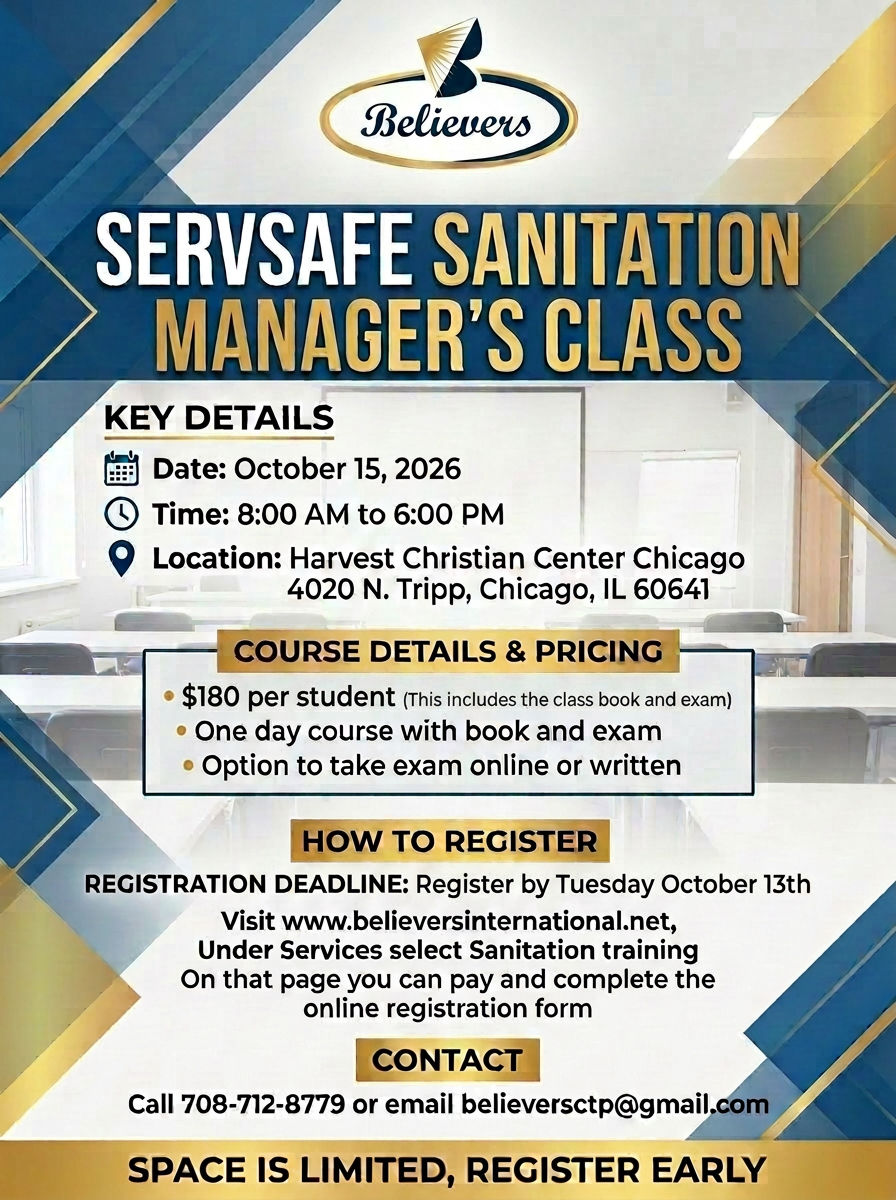
In my experience, consistent training and reminders make a big difference. Whether you are a home cook or a professional, following these techniques daily builds good habits. If you want to deepen your knowledge, consider enrolling in a food safety training program. These courses provide detailed instructions and certifications that can boost your confidence and credibility.

What are the 5 Basic Food Safety Rules?
There are five basic rules everyone should follow to keep food safe. These rules are simple but powerful in preventing foodborne illnesses.
Clean - Always wash your hands, utensils, and surfaces before and after handling food. Use hot, soapy water and clean cloths or paper towels.
Separate - Keep raw meat, poultry, seafood, and eggs away from other foods. Use separate cutting boards and plates for raw and cooked foods.
Cook - Cook food to the right internal temperature. Use a food thermometer to check. For example, poultry should reach 165°F (74°C).
Chill - Refrigerate perishable foods promptly. Keep your fridge at or below 40°F (4°C) and your freezer at 0°F (-18°C).
Avoid Cross-Contamination - Store raw foods below cooked or ready-to-eat foods in the fridge to prevent drips and spills.
Following these rules consistently helps reduce the risk of food poisoning. I recommend posting these rules in your kitchen or workplace as a daily reminder.
Practical Tips for Safe Food Handling at Home and Work
Safe food handling is not complicated, but it requires attention to detail. Here are some practical tips I use and recommend:
Wash hands for at least 20 seconds before and after handling food, especially raw meat or eggs.
Use separate cutting boards for raw meat and vegetables. Color-coded boards can help keep this organized.
Thaw food safely by placing it in the refrigerator, not on the counter. This prevents bacteria growth.
Marinate food in the fridge, not on the counter. Discard leftover marinade that touched raw meat.
Keep hot foods hot and cold foods cold. Use insulated containers or ice packs when transporting food.
Clean spills immediately to avoid attracting pests and spreading bacteria.
Label and date leftovers to keep track of how long they have been stored.
These tips are easy to implement and make a big difference in food safety. They also help maintain the quality and taste of your meals.

How to Store Food Safely to Prevent Contamination
Proper food storage is a key part of safe food handling. Incorrect storage can lead to spoilage and contamination. Here are some guidelines to follow:
Refrigerate leftovers within two hours of cooking. If the room temperature is above 90°F (32°C), refrigerate within one hour.
Store raw meat on the bottom shelf of the refrigerator to prevent juices from dripping onto other foods.
Keep your refrigerator clean and organized. Regularly check for expired items and clean spills.
Use airtight containers to store food and prevent exposure to air and pests.
Freeze food properly by wrapping it tightly to avoid freezer burn.
Do not overcrowd the fridge. Air needs to circulate to keep food at a safe temperature.
By following these storage tips, you can extend the shelf life of your food and reduce waste. It also helps keep your kitchen hygienic and safe.
The Role of Personal Hygiene in Food Safety
Personal hygiene plays a crucial role in preventing food contamination. Even the best food handling techniques can fail if personal hygiene is neglected. Here are some important practices:
Wash hands thoroughly before starting food preparation, after using the restroom, and after touching pets or garbage.
Keep nails short and clean to avoid trapping dirt and bacteria.
Avoid wearing jewelry that can fall into food or harbor bacteria.
Cover cuts or wounds with waterproof bandages and wear gloves if necessary.
Wear clean clothing and aprons when handling food.
Avoid touching your face, hair, or phone while preparing food.
Maintaining good personal hygiene protects both the food and those who consume it. It also sets a professional standard in any food service environment.
Building a Culture of Food Safety
Creating a culture of food safety means making it a priority in every step of food handling. This culture encourages everyone involved to take responsibility and follow best practices consistently.
Train all staff regularly on safe food handling techniques.
Encourage open communication about food safety concerns.
Implement clear policies and procedures for cleaning, cooking, and storage.
Use checklists and logs to monitor food safety tasks.
Celebrate successes and improvements to motivate ongoing commitment.
By fostering this culture, businesses and individuals can reduce risks and build trust with customers and family members. It also supports the goal of delivering quality and safe food every time.
Taking the Next Step in Food Safety
Mastering safe food handling practices is a continuous journey. It requires learning, practicing, and staying updated on the latest guidelines. I encourage you to take advantage of available resources and training opportunities.
Whether you are cooking for your family or managing a food business, investing time in safe food handling pays off in health and satisfaction. Remember, every small step counts toward preventing foodborne illness and ensuring delicious meals.
If you want to enhance your skills, consider enrolling in a professional food safety training program. These courses provide valuable knowledge and certification that can benefit you personally and professionally.
By mastering these practices, you contribute to a safer food environment for everyone. Keep learning, stay vigilant, and enjoy the confidence that comes with knowing your food is handled safely.

Comments