
Finding Local Culinary Courses: A Guide to Enhancing Your Cooking Skills
Exploring the world of cooking can be both exciting and rewarding. Whether you want to improve your home cooking, start a new career, or expand your business offerings, finding the right culinary course is essential. Local culinary courses offer hands-on experience, expert guidance, and the chance to learn new techniques close to home. In this post, I will share practical tips and insights to help you find the best culinary courses near you.
Why Choose Local Culinary Courses?
Local culinary courses provide several advantages that make learning more accessible and enjoyable. First, they save time and travel costs. You can attend classes without the hassle of long commutes or overnight stays. This convenience allows you to balance your learning with other responsibilities.
Second, local courses often focus on regional cuisine and ingredients. This means you get to learn recipes and cooking styles that are relevant to your area. For example, if you live in a region known for fresh seafood or farm-to-table produce, local courses will likely incorporate these elements into their curriculum.
Third, local culinary schools and community centers tend to offer smaller class sizes. This creates a more personalized learning environment where instructors can give individual attention. You can ask questions freely and get immediate feedback on your cooking techniques.
Finally, enrolling in local culinary courses helps you connect with other food enthusiasts in your community. Networking with like-minded individuals can lead to new friendships, collaborations, and even business opportunities.

How to Find the Best Local Culinary Courses
Finding the right culinary course requires some research and planning. Here are some steps to guide you:
Identify Your Goals
Decide what you want to achieve. Are you looking for basic cooking skills, advanced techniques, pastry making, or professional chef training? Knowing your goals will help narrow down your options.
Search Online
Use search engines and type phrases like culinary courses near me to find local options. Check websites of culinary schools, community colleges, and cooking studios.
Read Reviews and Testimonials
Look for feedback from past students. Reviews can provide insights into the quality of instruction, course content, and overall experience.
Check Course Details
Review the syllabus, duration, class schedule, and fees. Make sure the course fits your availability and budget.
Visit the Facility
If possible, tour the cooking school or center. Seeing the kitchen setup and meeting instructors can help you decide if the environment suits your learning style.
Ask About Certification
Some courses offer certificates upon completion. These can be valuable if you plan to pursue a culinary career or enhance your resume.
Consider Hands-On Experience
Choose courses that emphasize practical cooking rather than just theory. Cooking alongside instructors and peers improves skill retention.
By following these steps, you can find a course that matches your needs and helps you grow as a cook.
What is the acceptance rate for CIA?
The Culinary Institute of America (CIA) is one of the most prestigious culinary schools in the United States. While it is not a local option for everyone, understanding its acceptance rate can provide perspective on the competitiveness of top culinary programs.
The CIA typically has an acceptance rate of around 60%. This means that out of every 100 applicants, about 60 are admitted. The school looks for candidates with a passion for cooking, relevant experience, and strong academic records. While the acceptance rate is moderate, the CIA maintains high standards to ensure quality education.
For those who may not gain admission to elite institutions like the CIA, local culinary courses offer excellent alternatives. They provide valuable skills and knowledge without the pressure of highly competitive admissions.
Types of Local Culinary Courses Available
Local culinary courses come in various formats to suit different interests and schedules. Here are some common types:
Basic Cooking Classes
These courses cover fundamental skills such as knife handling, cooking methods, and simple recipes. They are perfect for beginners or those wanting to refresh their skills.
Specialty Cuisine Workshops
Focused on specific cuisines like Italian, French, Asian, or vegan cooking. These workshops help you master particular styles and ingredients.
Baking and Pastry Classes
Learn how to make bread, cakes, pastries, and desserts. These classes often include decorating techniques and ingredient science.
Professional Chef Training
More intensive programs designed for those pursuing a culinary career. They cover kitchen management, food safety, menu planning, and advanced cooking techniques.
Corporate and Team-Building Classes
Designed for businesses, these classes combine cooking with teamwork exercises. They are great for employee engagement and skill development.
Private and Customized Lessons
Some local chefs and schools offer one-on-one or small group sessions tailored to your specific goals.
When choosing a course, consider the format that best fits your learning style and objectives.

Tips for Making the Most of Your Culinary Course
Enrolling in a culinary course is just the first step. To get the most out of your experience, keep these tips in mind:
Prepare in Advance
Review the course outline and gather any required materials. Familiarize yourself with basic cooking terms and techniques.
Be Open to Learning
Approach each class with curiosity and a willingness to try new things. Mistakes are part of the learning process.
Practice Regularly
Cooking skills improve with practice. Try recipes at home between classes to reinforce what you learn.
Ask Questions
Don’t hesitate to seek clarification or advice from instructors. Their expertise is a valuable resource.
Network with Peers
Connect with fellow students to share tips, recipes, and experiences. Building a community can enhance your culinary journey.
Stay Organized
Keep notes, recipes, and feedback in one place. This will help you track your progress and revisit lessons.
Apply Skills Creatively
Experiment with variations of recipes and ingredients. Creativity is key to becoming a confident cook.
By actively engaging in your course, you can turn your culinary education into lasting skills and enjoyment.
Expanding Your Culinary Horizons Locally
Finding the right culinary course near you opens doors to new flavors, techniques, and opportunities. Whether you want to cook better meals for your family, start a food-related business, or enhance your professional skills, local culinary courses provide a supportive and practical environment.
If you are ready to take the next step, start by searching for culinary courses near me. Explore the options available in your area and choose a course that fits your goals and lifestyle. With dedication and the right guidance, you can transform your passion for food into a rewarding skill set.
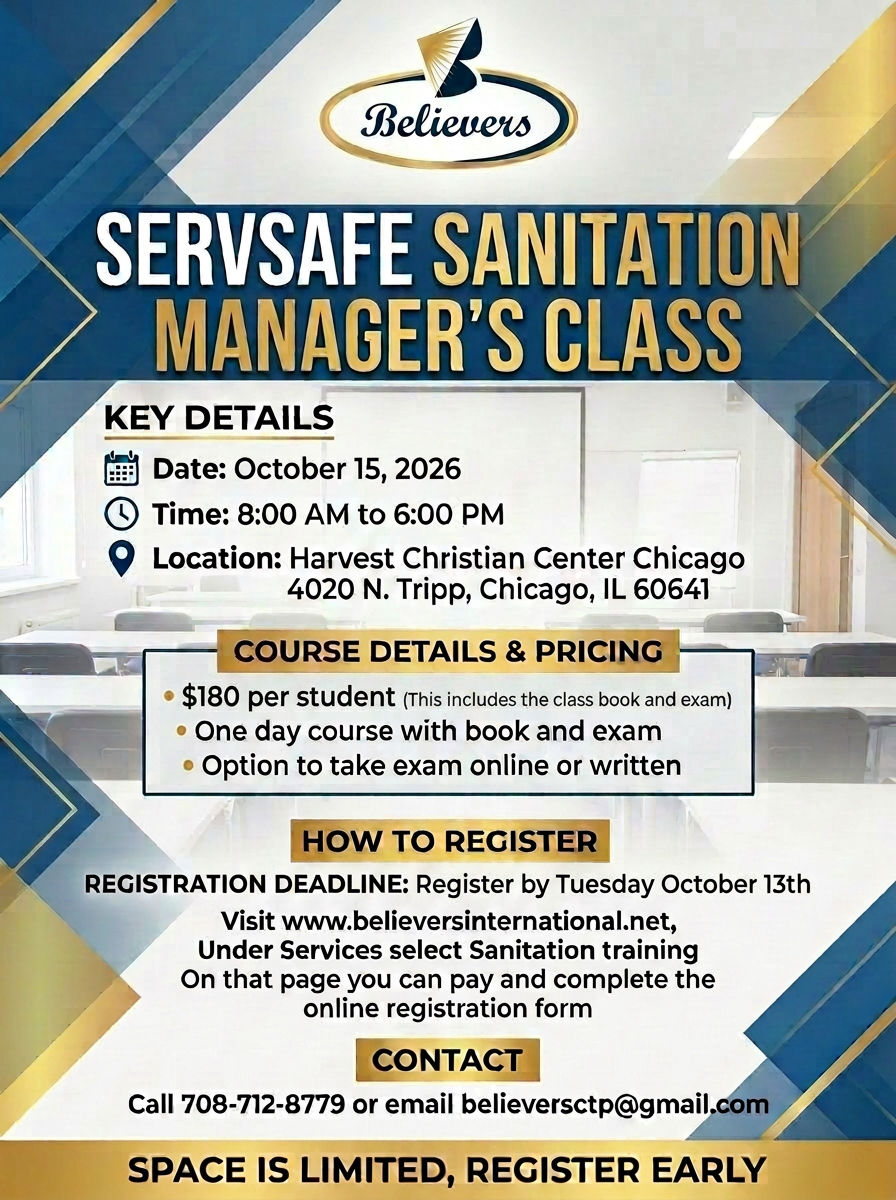
Believers International is committed to supporting your culinary journey by offering quality training and customized food services in North Riverside and beyond. Together, we can help you achieve your culinary aspirations and enjoy the art of cooking every day.

Comments