
Becoming a Certified Sanitation Manager

Food safety is a critical part of any food service operation. Ensuring that food is handled, prepared, and stored properly protects customers and employees alike. One way to demonstrate expertise in this area is by becoming a certified sanitation manager. This certification shows that you understand the principles of food safety and sanitation and can apply them effectively in a professional setting.
In this post, I will walk you through the steps to become a certified sanitation manager. I will explain what the role involves, how to prepare for certification, and what benefits it offers. Whether you are starting a career in food service or looking to improve your skills, this guide will help you take the right steps.
What Does a Certified Sanitation Manager Do?
A certified sanitation manager oversees the cleanliness and safety of food service environments. This role involves more than just cleaning. It requires knowledge of foodborne illnesses, proper sanitation techniques, and regulatory compliance.
Some key responsibilities include:
Developing and implementing sanitation plans
Training staff on hygiene and safety practices
Monitoring food storage and preparation areas
Conducting regular inspections and audits
Ensuring compliance with local and federal health codes
By holding a certification, you prove that you have the knowledge and skills to manage these tasks effectively. This can improve the safety of your workplace and reduce the risk of foodborne illness outbreaks.

How to Become a Certified Sanitation Manager
Becoming a certified sanitation manager involves a few clear steps. Here is a practical approach to achieving this goal:
Understand the Requirements
Different states and organizations may have specific requirements for certification. Generally, you need to complete a training program and pass an exam. Check with your local health department or the certifying body for details.
Enroll in a Training Program
Training covers topics such as food safety principles, sanitation procedures, pest control, and regulatory standards. Many programs offer online or in-person options to fit your schedule.
Study the Material Thoroughly
Use study guides, practice tests, and other resources to prepare. Focus on understanding concepts rather than memorizing facts. Real-world examples can help you grasp how to apply knowledge on the job.
Schedule and Pass the Exam
The exam typically includes multiple-choice questions on food safety and sanitation. Passing it demonstrates your competency and earns you the certification.
Maintain Your Certification
Some certifications require renewal every few years. This may involve continuing education or retaking the exam. Staying current ensures you keep up with changes in food safety regulations.
By following these steps, you can confidently earn your certification and enhance your professional credentials.
Can I get ServSafe for free?
Many people ask if it is possible to obtain ServSafe certification without paying. ServSafe is a widely recognized program for food safety and sanitation training. While the official ServSafe courses and exams usually require a fee, there are some ways to reduce or eliminate costs:
Employer Sponsorship
Some employers cover the cost of training and certification for their staff. Check if your workplace offers this benefit.
Local Health Departments or Community Programs
Occasionally, local agencies or community colleges provide free or low-cost training sessions. These may include vouchers for the exam.
Scholarships or Grants
Certain organizations offer financial assistance for food safety training. Research options available in your area.
Online Resources
While official certification requires payment, you can find free study materials and practice tests online to prepare before investing in the exam.
Keep in mind that free options may be limited and vary by location. It is important to verify that any training or certification you pursue is recognized by your local regulatory authorities.

Why Sanitation Manager Certification Matters
Obtaining a sanitation manager certification offers several important benefits:
Improved Food Safety
Certified managers are better equipped to prevent contamination and foodborne illnesses. This protects customers and staff.
Regulatory Compliance
Many health departments require certified managers in food establishments. Certification helps you meet these legal requirements.
Career Advancement
Certification can open doors to higher positions and better pay. It shows employers that you are committed to professionalism.
Business Reputation
For business owners, having certified staff builds trust with customers and inspectors. It signals a commitment to quality and safety.
Personal Confidence
Knowing you have the right knowledge and skills boosts your confidence in managing sanitation challenges.
For anyone involved in food service, investing in certification is a smart step toward success and safety.
Tips for Success as a Certified Sanitation Manager
Once you become certified, your work is just beginning. Here are some practical tips to excel in your role:
Stay Updated
Food safety regulations and best practices evolve. Attend workshops, read industry publications, and participate in refresher courses.
Lead by Example
Demonstrate good hygiene and sanitation habits. Your team will follow your lead.
Communicate Clearly
Train staff regularly and provide clear instructions. Use checklists and visual aids to reinforce standards.
Document Everything
Keep records of cleaning schedules, inspections, and corrective actions. Documentation helps during audits and improves accountability.
Be Proactive
Identify potential risks before they become problems. Regularly inspect equipment, storage areas, and food handling processes.
Build Relationships
Work closely with health inspectors and suppliers. Good communication can help resolve issues quickly.
By applying these strategies, you can maintain a safe and efficient food service environment.
Taking the Next Step
Becoming a certified sanitation manager is a valuable achievement. It equips you with the knowledge and authority to ensure food safety in any setting. If you are ready to take this step, start by researching approved training programs and preparing for the exam.
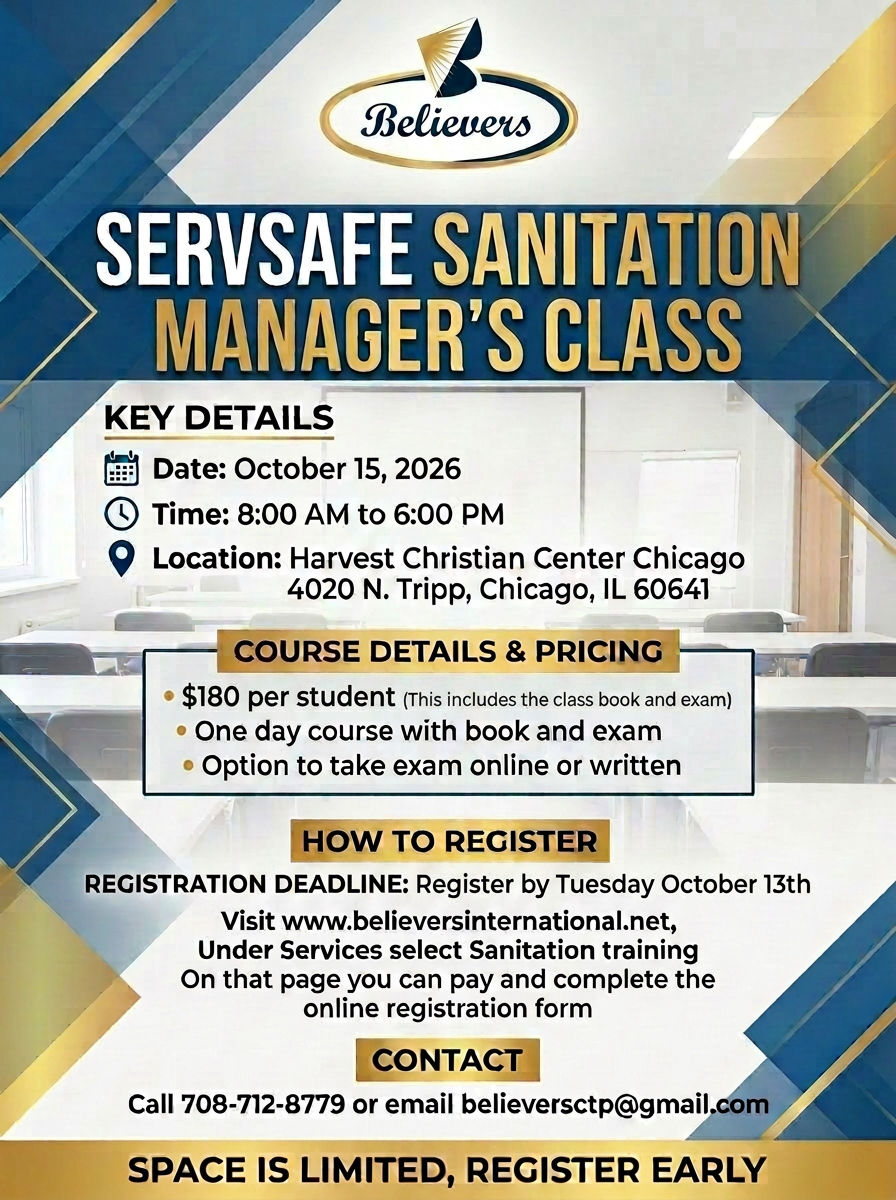
For those interested, you can learn more about the sanitation manager certification process and find resources to help you succeed.
Investing in this certification supports your career and contributes to safer food experiences for everyone. Whether you work in a restaurant, catering business, or food production facility, your role as a certified sanitation manager is essential.
I encourage you to take action today and join the community of professionals dedicated to food safety and sanitation excellence.


Comments